If you have a pet dog, you may notice that when you leave the house and then return, your dear “fur-family” member seems to be able to sense your presence on the way long before you arrive. That way, she or he is ready to greet you in such a way that you know how much you were missed and that you should never leave them again. If you’ve never had the privilege of having a dog and experiencing such devotion, you’re missing something.
Now, I don’t mean to discriminate against you “cat people,” but I’ve rarely experienced a cat welcoming their human’s return with anything but casual nonchalance, or maybe in one or two instances, a brief friendly brush up against the leg. But I tend to think that those cats are confused and think they’re dogs. They’re the ones who care enough about their owners to fetch toys and at least feign as if their owners matter to them.
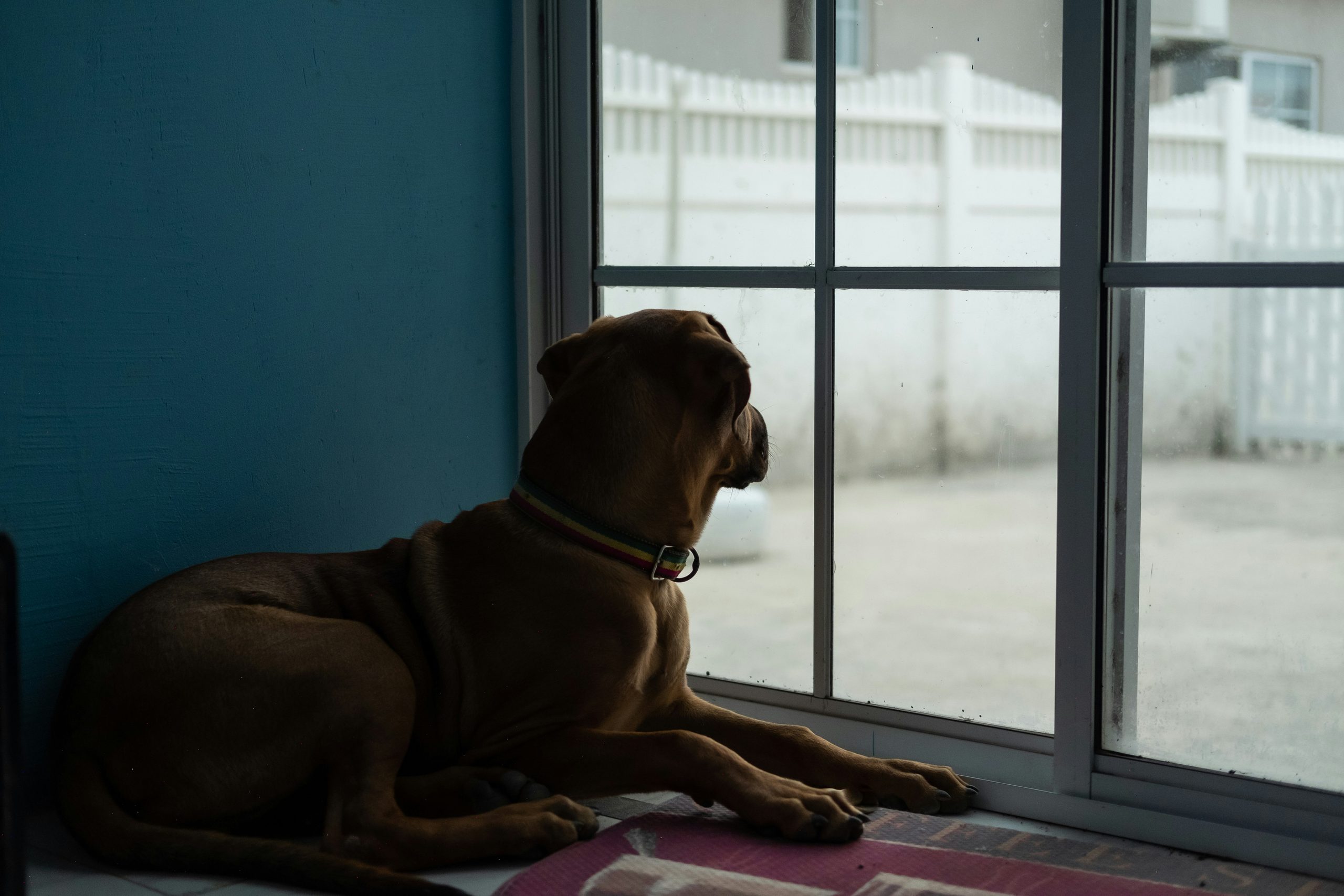
Of course, I’m kidding. I like cats too. But dogs are special in my book. It almost pains me to see their “separation anxiety,” as they sit devotedly by the window or door, waiting for what must seem like forever for their human to come back to them. Sometimes they even make little groaning noises that sound like expressions of painful anticipation.
This past summer when I was visiting my mom, she went out the back door to visit a neighbor. So Cee Cee, her loyal little Shih Tzu, took up her post at the window by the door to begin her watch. But a few minutes later, unbeknownst to Cee Cee, my mom returned, rather quietly through the front door. When she finally heard my mom sit down in the living room, I saw Cee Cee perk up, completely disoriented, and run to my mom with unusual energy (she’s 11 years old), as if to say, “hey, didn’t you think to tell me you were coming in through another door?”
I think of this scenario as we enter into Advent. Mark’s Gospel reminds us in this brief story of the estate owner who heads off on a journey, leaving instructions for all his servants to continue on in their roles, and for the gatekeeper to keep vigilant watch for his return at any time of day or night. I think of Cee Cee, taking up her post by the door, to wait faithfully for the first sign of my mom’s arrival. And I think of the way that sometimes, my mom comes in another door.
As Christians, we’ve been waiting a long time for Christ’s arrival. Advent can feel like more of an annual routine than a meaningful ritual of purification and preparation, as if we go through the motions of preparing for a guest that never arrives. We might not be able to access the longing or anticipation for God that Isaiah speaks of, and instead we focus on the material preparations for Christmas, spending more time shopping than in silence and prayer.
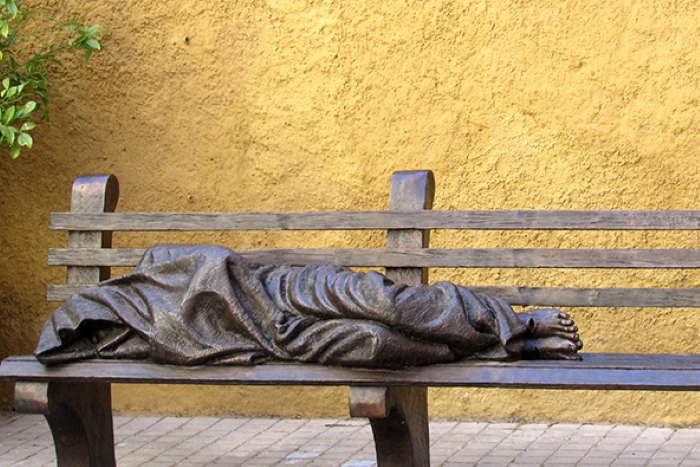
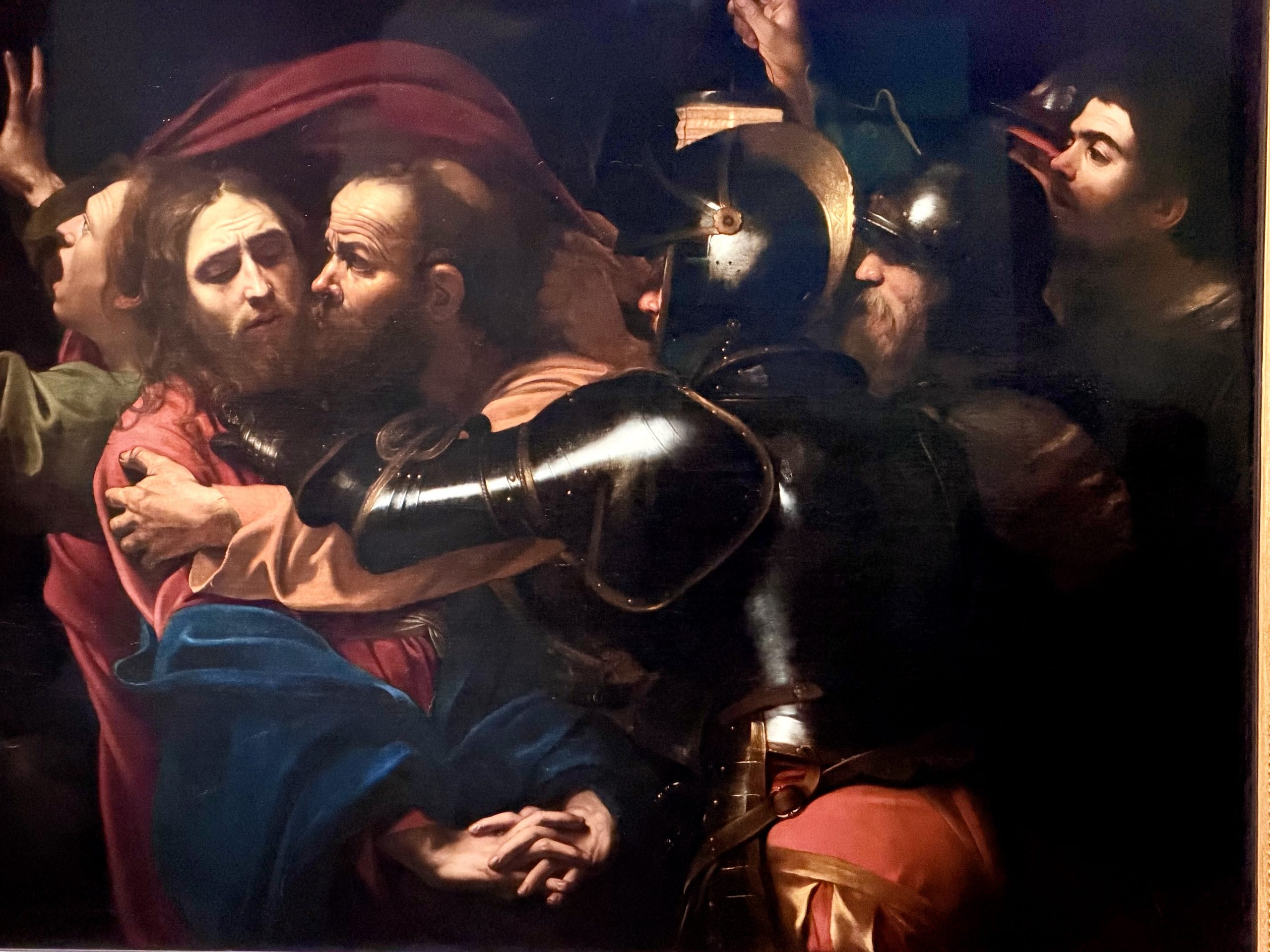
But what if God arrives through the other door, at the “mud room” entrance we haven’t prepared for guests? What if Christ is in fact, always slipping into the house unannounced, like a friend or family member who doesn’t even bother to knock? We go on about our business, like the good and responsible servants in the story, but we don’t even notice the presence of the Visitor. We attend to our day to day affairs. We fret about the future. We distract and entertain ourselves with so many diversions. But are we attending to our deeper longings? Are we tapping our higher hopes for our lives, for our loved ones, for our societies, for our planet? Are we in touch with our desires for a kind of fulfillment, wholeness, and peace that we cannot purchase for ourselves, but which can only be supplied by God’s presence?
When I think of Cee Cee, I see her anxious and restless anticipation for my mom’s return home as a kind of lesson. What would it require for me to access this devoted and always excited hope for Christ’s coming? Ironically, it seems to require more attention to the reality within me, than to the lights and sights around me. I have to slow down instead of speeding up, and I must exercise choices to pause the doing and busyness, at least for a little while. It calls for me to practice patient stillness, and demands a willingness to enter into silence that involves no doing at all.
When I manage to slip into these contemplative moments, I notice that like Cee Cee, my sensitivity to God’s presence becomes more acute. I find that the anxiousness about many things subsides, and instead, the restless desire for Christ intensifies. I find in myself a kind of clarity emerges about what or who should have priority, how to discern my way through everyday impatiences, frustrations, or annoyances. I find in that silence a simplicity that uncomplicates situations and relationships, and brings me back to basics, like saying “I’m sorry,” “thank you,” or “you really matter to me, and I want to work this out.”
I find in this kind of contemplative, quiet watchfulness that instead of focusing in an overly narrow or singular way on one arrival through a particular door, I become more aware of arrivals at all the doors, all the windows. I notice that my heart becomes softer and more tender, less defensive or self-centered. I find myself feeling with and for people with more sensitivity, more care. And in fact, I discover Christ always arriving, bidden or unbidden, often just barely hidden in my dear colleagues, my fellow Jesuits, and strangers on the street.
Can you relate? Do you similarly notice how precious it is to make such space for yourself to be quiet and invite God’s presence through whichever door Christ chooses to arrive?
As leaders, our attention is so often focused outside of ourselves that we might forget the importance of our inner life, and how essential our inner life is for the way we conduct ourselves in relationships, work, and roles of responsibility and service. If we aren’t connected to ourselves and to God, it’s quite likely that we’re in a constant state of reaction, frantically problem solving and frenetically pursuing our ego’s often well meaning agendas. But in Advent, we have the opportunity to return to the gate of our attention, and to take up our watch from within that contemplative post, where we are connected to that presence we most long for in its Second Coming.
With you on the Advent Journey,