I confess that I’m a fan of a good spy drama. I know that not everybody finds this their preferred genre of entertainment, and that in fact, they can be quite depressing. When we consider the news this past week about the real stories behind these dramas, these stories generally do not inspire, but rather reveal how susceptible we are through our human weaknesses to deceit and manipulation.
And as for the spies, at least in novels and movies, on one hand, we see complex protagonists who are quite failable, yet are also remarkably competent problem solvers. Watching them extricate themselves in one dilemma after another can bring us to the edges of our seats, or whipping to the next page to see what happens next. On the other hand, they tend to operate in a web of compromised relationships, lies, and competing interests. At the heart of the dilemmas they face is often one question: can I trust this person, and if so, how far? How much must I risk? And what might be the potential consequences of trusting or not?
What is often most disillusioning is the plot twist where the person in whom they should have the most trust, their handler or the person who holds authority over them, is finally the one pulling the strings for their own nefarious and covert purposes. Sometimes, a morally righteous operative prevails. Often not.
Maybe we should leave aside the psychological analysis of my attraction to this genre for now, but I raise the issue of trust, the matter of risk, and the question of the return because, in many ways, these are the core questions of the reading from the Gospel of Matthew this Sunday. And if I’m not mistaken, we’re living in more “untrusting times” than I’ve ever experienced.
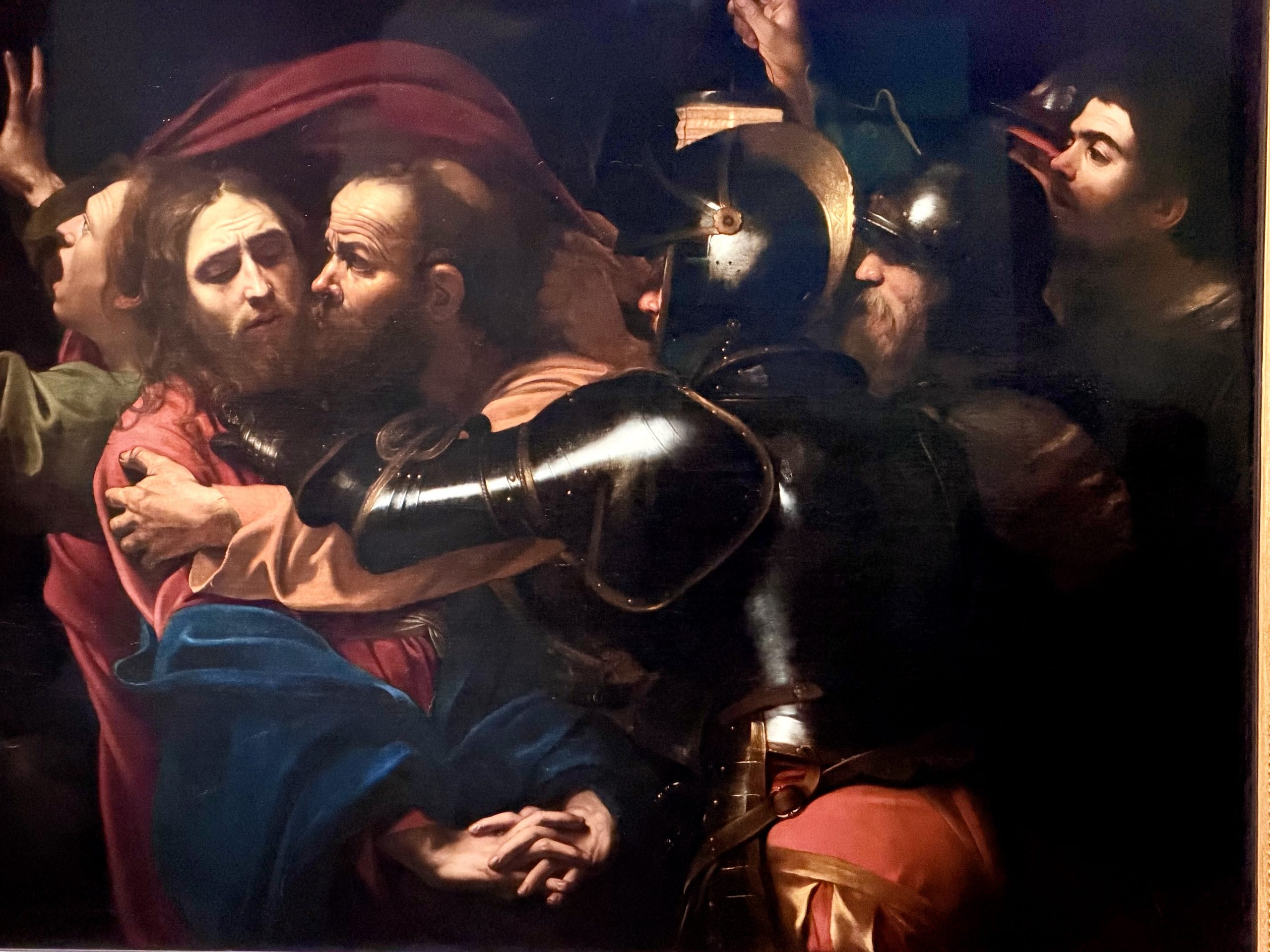
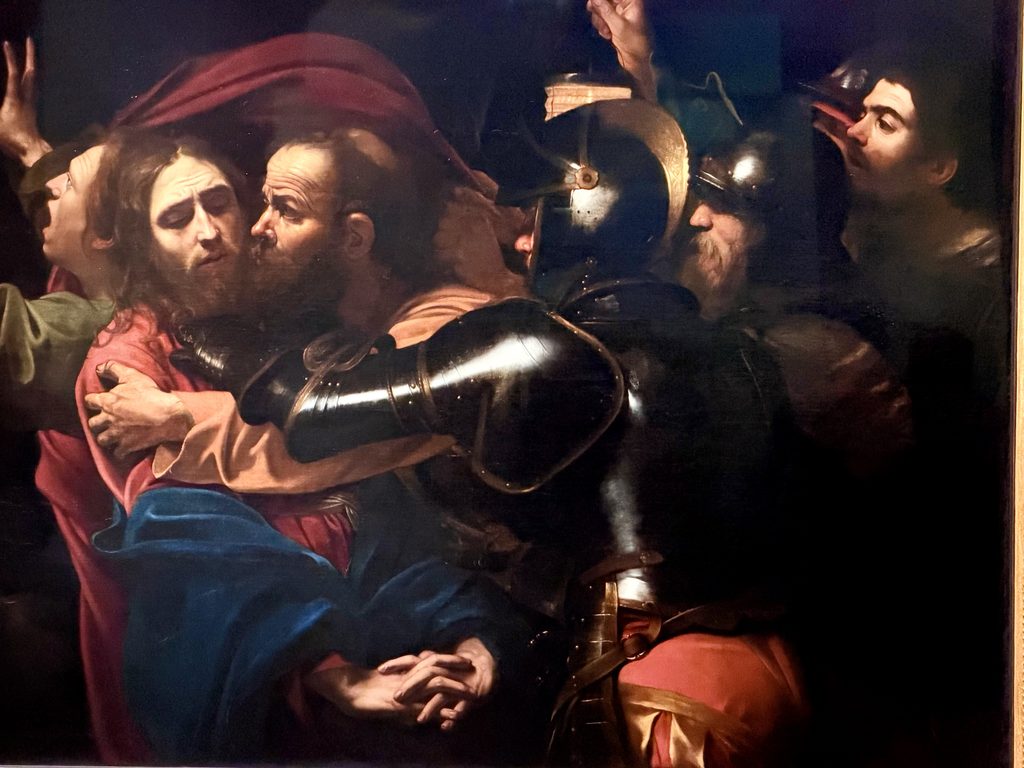
Just a reminder, the context of this passage about the servants and the talents is the end of Jesus’ public ministry in the final days before Passover, when he goes up to Jerusalem and the conspiracy against him takes its course. The mood is tense with anticipation, and no doubt, Jesus was himself considering these questions of trust, risk, and reward. He knows that all eyes are on him, his every movement, his every gesture challenging the religious and political authorities in that time of the Roman occupation. There were, in fact, spies everywhere. And rather tragically, Jesus had to contend with betrayal among his own closest friends.
It is hard to imagine that for Jesus, that the drama and intensity of this moment didn’t stir questions and doubts related to risks he was taking, and the reward he was weighing. What was at stake? -The fulfillment of his mission to fully reveal the love of the Father through his submission to suffering and death for the people, despite their sin, and the promise of his resurrection. If there weren’t some question in his heart, then it would be impossible to understand the freedom of choice underlying Jesus’ faithful obedience to the mission given to him by his Father. Faith is not certitude. It is an act of existential trust that despite appearances, and the limits of our knowing, that a particular future potential will be realized even beyond the scope of our control.
Unless we understand this, I don’t think it’s possible to fully grasp this parable about the talents. Jesus’ sharing of this parable is in some way a reflection of his own commitment to overcoming his questions and his fear of placing everything on the line for the fulfillment of his purpose.
For me, this puts the whole parable in a new light. It is not only about using the gifts that we’ve been given by God, the potentials that we have named, claimed, and developed. It is also about responding more and more fully in trust and faith, despite our self-protective fears and insecurities, to the vocations, missions, and purposes which have been entrusted to us by God. It is about weighing the consequences of our trust, yes. And it is about generally leaning nonetheless in the direction of the risk with faith in the good outcome.
Yes, this might seem naive from a worldly perspective driven by opportunism, profit, and competition. Yes, others might see such acts of trust as foolhardy. But as disciples of Jesus, and as people who are dedicated to being “good and faithful servants” of the Kingdom that Jesus serves, this is also our tendency, our bias. If we have faith in this God who has given us life, gifts, and a calling, then we also have the freedom to trust all that we are to his sometimes mysterious ends, to being used for his purposes.
St. Ignatius of Loyola described this bias in the Spiritual Exercises as the first general supposition: to give the benefit of the doubt until we simply cannot anymore in good conscience. In other words, Ignatius suggested that we should have a sensible bias for trusting in the good intentions of others, in this case, a spiritual director or superior. While he had a particular kind of context and relationship in mind, in my life experience, my trust, the risks I have taken of placing my confidence and belief in others, have generally been rewarded with trust and generosity in response, (of course, I’m not a spy in some political or corporate drama!). And in the case of my own trust in God, I have found again and again the reason to trust more fully, to invest myself again and more fully in what God has given me to do with the gifts and talents that he has given me.
As we return to Jesus and his telling of this parable, he is the good and faithful servant who understands the gift and the responsibility with which he is entrusted by the Father. Unlike the anxious servant, who allows his fears of the master to get the best of him and who buries his talent, Jesus understands that the Father who has given everything to him, loves him unconditionally, and asks for his accountability. Accordingly, Jesus responds to this faith and confidence that the Father has given him by going all in for the fulfillment of his mission, leaning hard into his trust in the Father’s promise. We know both the sacrifices and the rewards that followed. He models what it means to be the “good and faithful servant,” and asks us to be like him in our service to his Kingdom.
As leaders, we are confronted every day with the dilemmas related to trust, risk, and reward. We may not be faced with the intense stakes of some spy drama, but we understand that the stakes are high nonetheless. Relationships, projects, missions… in every one, we can be tempted to give in to our anxious, self-protective fears. But ultimately, our trust in the goodness and generosity of God can support our trust in others and ourselves: that we can, for our small part, advance the Kingdom with each investment of trust that we make, that our commitment to being good and faithful servants will ultimately bear fruit in a way that enhances relationships, communities, and society at large. At the end, do we have the humility, courage, and freedom as “good and faithful servants?”
Siblings in Christ,