
It was a wild ride, as they say! Beginning in 2012, I was asked to take on a series of interim administrative roles at a small Jesuit university where I had completed my undergraduate degree many years before. While serving as the dean of a new school of business, I retained one course in the classroom each semester, as well as my duties for mission integration, and then did the same as the vice president for advancement (fundraising). I continued helping in a parish every weekend that I wasn’t traveling.
For three years, every day was different, with new challenges and a steep learning curve. Sometimes it felt like I was shifting gears from hour to hour, switching my focus from people and relationships to tasks, from day to day management to long term strategic planning. Perhaps you’ve been there yourself?
While it was an exhilarating and fulfilling time for me, after three years I was feeling burned out, a level of exhaustion that I’d never felt before. If you’ve ever had the same experience, you know that when burned out, some of us have a tendency to pity ourselves as if we were the victims of forces beyond ourselves. I was complaining to a colleague about my sorry state, who looked me in the eye and without the slightest hesitation said, “David, you have no one to blame but yourself!” I was so surprised to hear this, because I considered this colleague a close friend. I tried to defend myself by saying, “but these are my responsibilities.” I’ll never forget what he said in reply. “If you weren’t trying to be so responsible all the time, maybe there would be more space for the rest of us to help. Then we could cover all these needs, maybe even doing a better job than you!”
This was yet another in a long curriculum of leadership lessons I learned on the job.
In this passage from Matthew’s Gospel, Jesus sees the peoples’ needs for care, support, and guidance. The multitudes of them wander “like sheep without a shepherd,” and his heart goes out to them as he perceives their struggles and suffering. But curiously, even though he’s the Son of God, he doesn’t have any illusion about his capacity to help them all by himself. Jesus realizes that this is a job for more than one person, and isn’t so caught up in his own sense of responsibility, or so over-identified with his Messianic role, that he doesn’t see the opportunity to share the ministry with others. And share he does.
We know that he takes the risk of commissioning his twelve apostles to the task, this group of “regular guys” who seem more outstanding for their weaknesses than their strengths. It reminds me of the way in “Old Western” movies, a sheriff outnumbered by a lawless gang would look around the bar at his motley crew of mates and say, “hey you! You’re a deputy now.”
He doesn’t only commission them. Jesus also gives them authority to proclaim the Good News and the power to work the same miracles he does. His priority is the service of the mission, the announcement of the Kingdom of God and the signs accompanying it. Jesus isn’t worried about anything self-referential such as personal advancement, recognition, or even putting his personal stamp on this work. He simply wants to accomplish the task given to him by his Father.
I find this remarkable, because in truth, I do struggle with these self-referential concerns, and if I may say so, I know I’m not alone. How many times have we met people who insist on doing all of their hard tasks alone because they don’t like to share the stage with others? How many times have we met managers who don’t like to delegate any authority to others because they need to control everything? Maybe we’ve met people who look to recruit and hire people who are similar to themselves in personality or background instead of looking for people who bring complementary differences. Or perhaps we’ve worked in organizations where a new boss insists on doing everything the opposite way as the previous boss, in order to “make their mark.” Of course, most of us in these positions ourselves rationalize that “this is me being ‘responsible’”.
By contrast, I’ve been so inspired by Pope Leo, who seems so free of these self preoccupations, and never loses the opportunity to name and thank his predecessors, building on their good works. Even with some much responsibility, he appears to hold his role with a kind of lightness, and is so very attentive to the person or group in front of him that it is as if they were the center of the world. And in keeping with the call to a Synodal conversion in the Church, Pope Leo invites everyone to undertake the mission of announcing the Good News with the testimony of our lives, our compassion, our work for peace. In his message to the audience of the 100th World Day of Mission, he emphasized how every baptized person has the responsibilities of priest, prophet, and king to manifest the faithful love of God in the concrete instances of our attitudes, behaviors, and relationships. He is a good shepherd encouraging others to see themselves and act as good shepherds.
How might we learn from Jesus and Pope Leo, and practice as they do the growth and commissioning of people for mission? If I’m not mistaken, we might begin by considering how our own self-referential tendencies sometimes undermine the service of the mission by concentrating too much on what we can or should do, rather than others. Perhaps we miss the possibility of true collaborators in our mission because we’ve discounted them in some way? We might remember that the real work of leading people is actually God’s work, and that we are servants and instruments of that Divine effort. How might God be calling others to ministry and service?
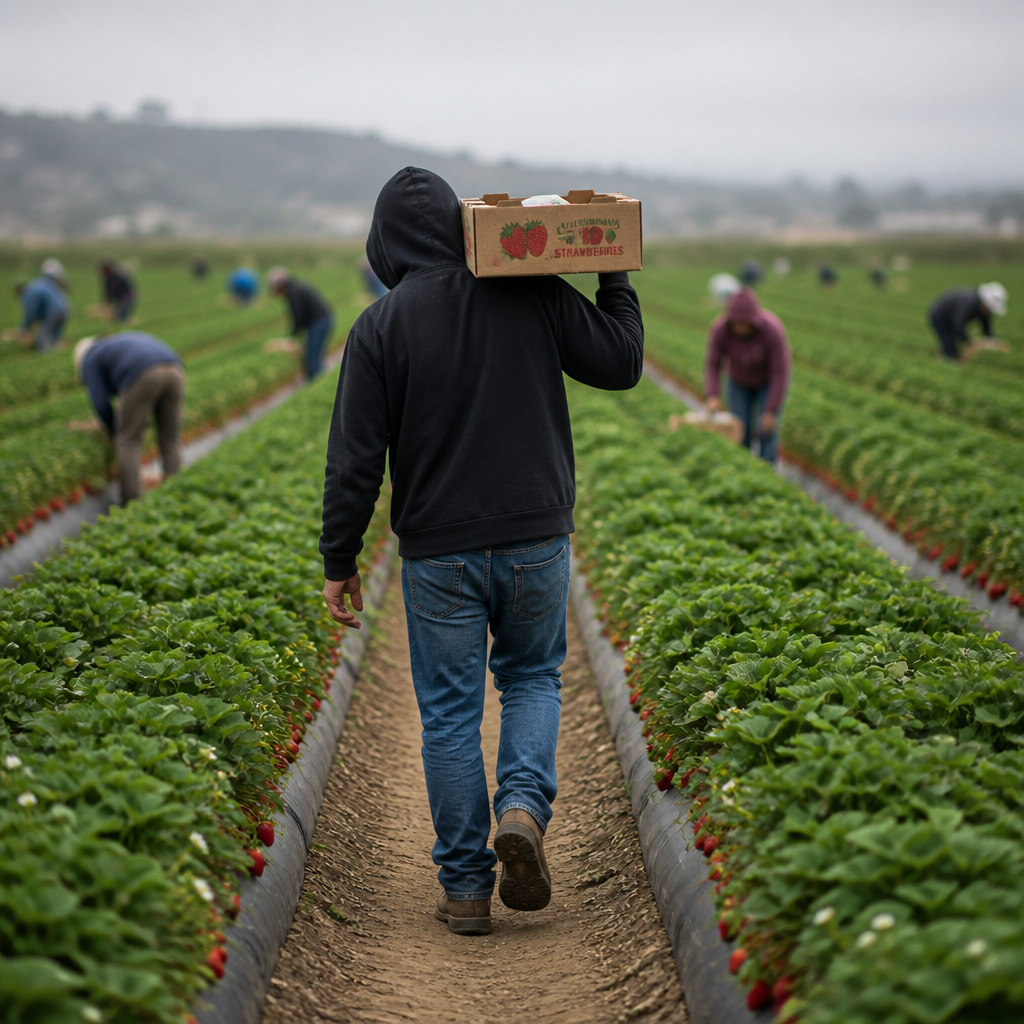
As Jesus does, can we shift from being the “sole responsible” to being the one who helps to spot the vocations of others, builds teams, enlarges the community of mission, and distributes the authority, resources, and processes that enhance participation at every level of our organization? The harvest is great, and it only seems that the laborers are few. Perhaps we need to see with open eyes and take a fresh view?
Siblings in Christ, on the road together,