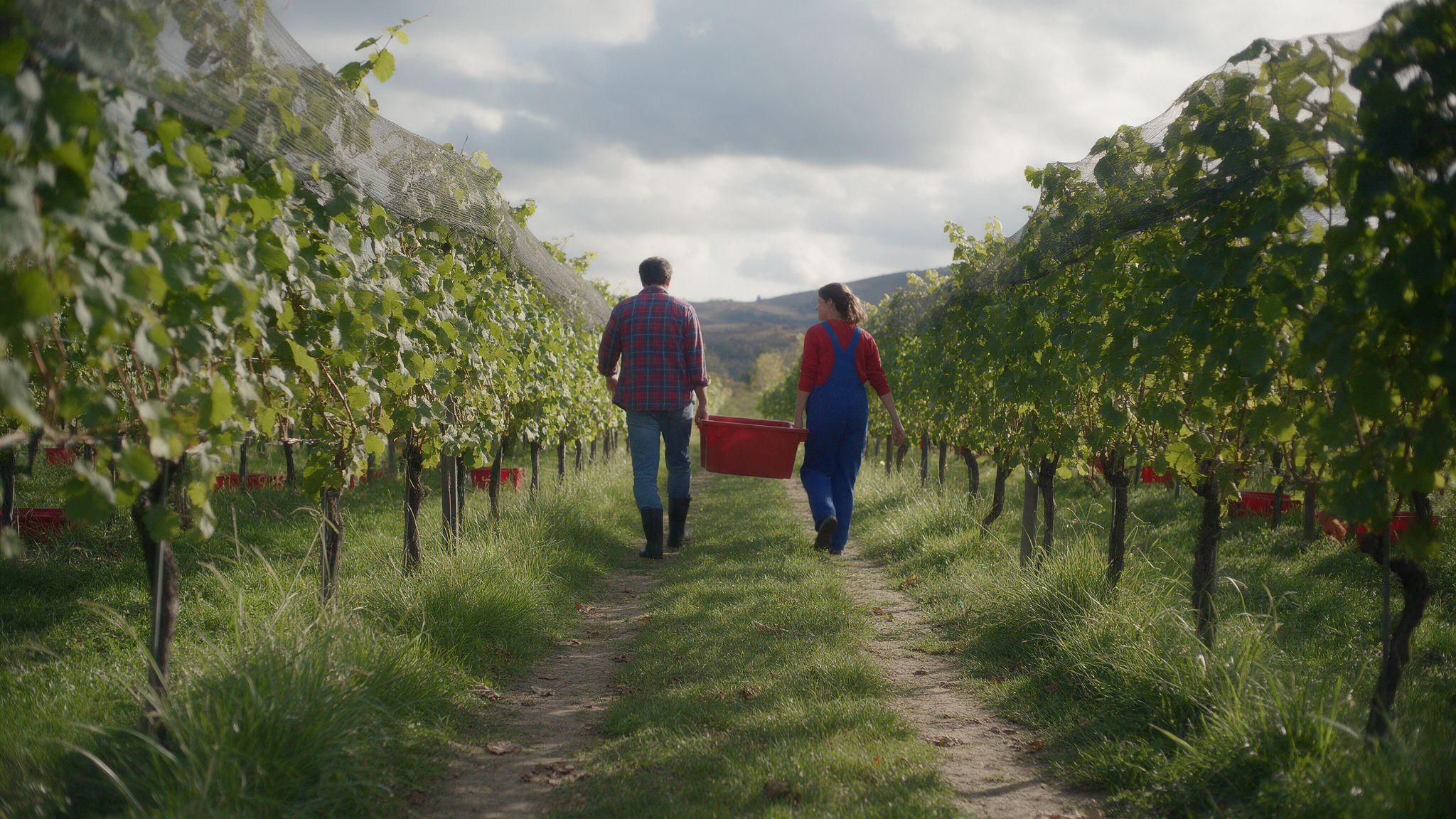
When I began to pray with this passage from the Gospel of Matthew about Jesus’ parable of the two sons, for some reason, the song, “Turn, Turn, Turn” came to mind. Do you know it? You can find it easily on YouTube. Written in 1959 by Pete Seeger, it was popularized by the Byrds in 1965, but it’s actually taken from the book Ecclesiastes in the wisdom literature of the Old Testament. The passage is narrated by a sage, a world weary elder who has seen it all, and for this reason, suggests that “there is a time for everything under the sun.” So too, given the changing of the seasons and circumstances, we must be discerning and flexible in the ways we act according to “a time for every purpose under heaven.” While the elder sage speaks of a “time for war and a time for peace,” in Pete Seeger’s lyrics, he finishes the last stanza with the line urging, “a time for peace, it’s not too late.”
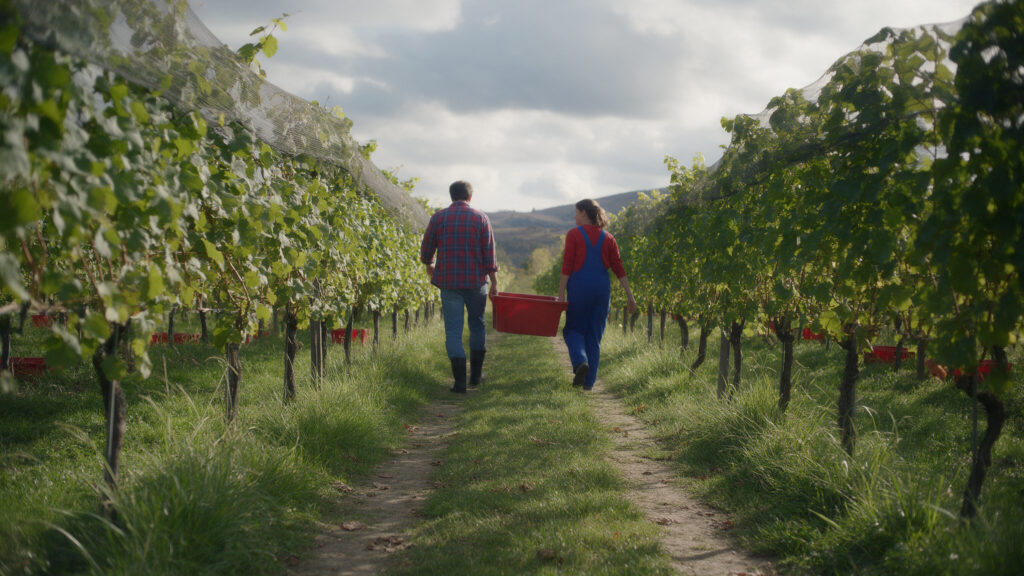
Why, I ask myself, does this song stir in me as I consider this parable of two sons who are asked by their father to go out to work in the vineyard? The first son says, “no” but later changes his mind and goes. The second son says, “yes,” but doesn’t go. Jesus seems, rather obviously, to be pointing out the need for “metanoia,” literally a “change of mind.” We often speak of such a change of mind or heart as a “conversion,” a turning of oneself that involves transformation. Some changes and transformations are for the good and greater good. Some changes are not.
We know that Jesus is addressing this parable to the Pharisees and Scribes, who are blinded by their self-righteousness, and scandalized by Jesus’ closeness to public sinners, these morally impure tax collectors and prostitutes. He is clearly praising those who see the errors of their ways and repent, who change not only their minds, but their hearts, and their behaviors. By contrast, Jesus is very critical of those who are fixed in their views, their prejudices, and their hypocrisy. Jesus is warning those who are fixed in their positions that their willful resistance to God’s call to have mercy in their hearts, their stubborn attachment to their righteousness, are in fact the ones who are the more disobedient and unfaithful to God. In fact, their stubborn, even assertive disobedience is creating and sustaining an unjust social system that is oppressive to the poor and the marginalized.
What does this have to do with Pete Seeger’s song, and how is this parable relevant to our lives as leaders in these times we’re living in?
As leaders, we need to have a clear-eyed view of reality in order to exercise good judgment and make choices. Of course, it’s natural that we have our own ideas, attitudes, values, and visions for what we want to accomplish. And to an extent, these personal orientations are all assets for us. We need our own point of view, our own opinions. We need conviction about our values, and at times we must be assertive about our visions and goals. Without knowing our own minds and hearts and having the courage and will to pursue our own way, we cannot lead in ways that may be required at a given time.
At the same time, if we are leaders according to Jesus’ way, we must also allow ourselves to be led. What does it mean to be led as a leader? Consider all the times when Jesus removes himself from the crowd to go to mountain tops and secluded places where he can pray to his Father. In those moments of solitude, he is not alone. He is listening, attuning himself to the will of the Father. It’s not as if he doesn’t have his own ideas, desires, vision, or will about how he wants to serve the Kingdom. He does. And at times, Jesus acknowledges that it is not easy to accept his Father’s will. In fact, in the Garden of Gethsemane, we know that he struggles to embrace this path of suffering and death. Along the way to that final Passover, Jesus may have resisted or struggled to accept other promptings of the Holy Spirit, including the forty days in wilderness, where he had to face the temptations of the Adversary. But Jesus’ faithfulness to the Father and to his mission is more important to him than following his own preference, of pursuing his own way.
What ultimately matters about Jesus’ example is that he allowed his own perspective, desires, values, and will to soften, open up, yield, and attune with his Father’s perspectives, desires, values, and will. He modeled the willingness to be emptied of his own ego in order to embrace what the Father was asking of him. And not only his Father. At times, he accommodated the needs, the limits, and weaknesses of the disciples in order to eventually lead them beyond themselves. Jesus paid attention to the situations and circumstances, discerned what was called for at that moment, and how God was asking him to deploy himself in service of his mission in each instance. Sometimes, he changed his mind, and shifted his stance, for example in his interaction with the Syro-Phoenician woman. This demanded not only the self-awareness to know his own mind, heart, and will, but also the freedom to discern and embrace what the Father was asking of him there and then. He was able to “turn, turn, turn,” in a way that measured and met the moment, rather than expecting reality to accommodate his preferences, his comfort, his will.
What is this stirring for you? When Pete Seeger wrote his song, the times he was living in were wracked by war, social unrest, and great uncertainty. Yet the wisdom he drew on from the book of Ecclesiastes is timeless. In every time and season, there is a purpose under heaven to discern and act upon. In our times, also wracked by war, social unrest, and great uncertainty, we must listen as Jesus did to what the Father is asking of us. Of course we have our own ideas, desires, and preferences. We have our will, which we might be tempted to assert in order to get our own way, protect our comforts and privileges, our righteousness. But what turning or metanoia is God asking of us, individually and collectively for the advancement of God’s Kingdom?
Whatever we’re reading in the signs of the times- war, political polarization, a crisis of forced migration, environmental collapse, the uncertainties brought about by technological advances, how is God leading us now? Is God asking us to enter the vineyards and fields to undertake some particular service of his Kingdom? What self-will are we invited to surrender, so that we can empty ourselves as Jesus did, turn to God, and embrace a greater good? It’s time.
With you in these questions, discerning our way on the road,